Moscow
Learn

Learn — SEO + AEO knowledge

Articles, guides, and original research backed by our audit data.

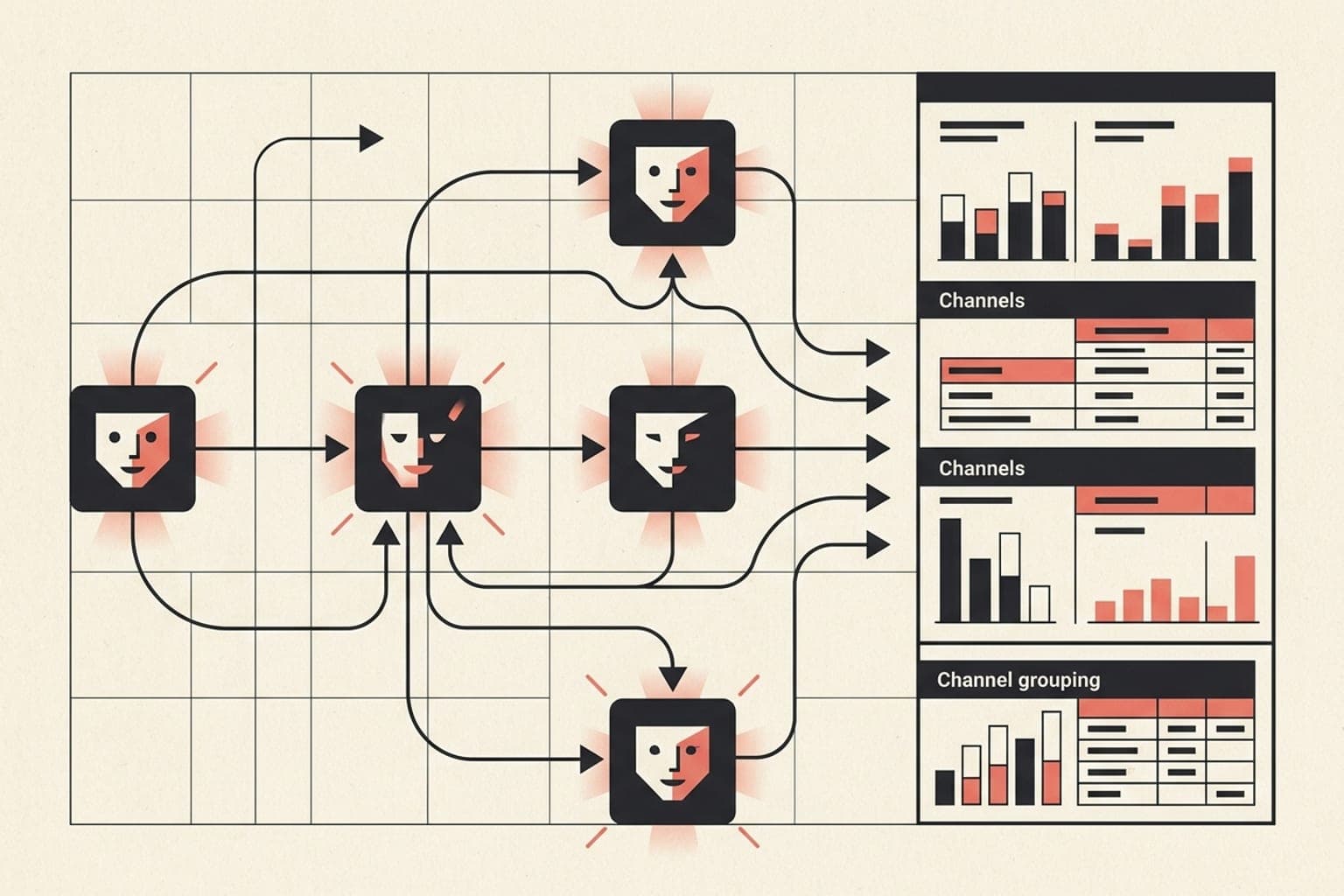
How to Audit Competitor AEO: Reverse-Engineering Playbook
How to

How to Audit Competitor AEO: Reverse-Engineering Playbook

Reverse-engineering a competitor's AEO strategy reveals which content structures, entities, and answer formats AI engines prefer to cite. This playbook gives you a repeatable process to close that gap fast.

6 min read
How to Rank in Microsoft Copilot: The Bing Playbook
How to

How to Rank in Microsoft Copilot: The Bing Playbook

Microsoft Copilot pulls answers directly from Bing's index. To rank in Copilot, you must win in Bing first — then structure content so the AI can cite it confidently.

6 min read
AEO vs GEO: Same Thing or Different Disciplines?
Comparisons

AEO vs GEO: Same Thing or Different Disciplines?

AEO targets direct-answer retrieval in AI assistants; GEO targets citation and synthesis in generative engines. They overlap but are not interchangeable — here is how to tell them apart.

5 min read
How to Measure Your AI Citation Share: 3 Methods
How to

How to Measure Your AI Citation Share: 3 Methods

AI citation share measures how often your content is referenced by AI engines like ChatGPT and Perplexity. Here are three actionable methods to track it before your competitors do.

6 min read
Most Common Technical SEO Mistakes in 2026: Audit Data
Data studies

Most Common Technical SEO Mistakes in 2026: Audit Data

From crawl traps to broken schema markup, 2026 audits reveal predictable but costly technical SEO failures. Here's what practitioners are finding most often — and how to fix each issue before it tanks your rankings.

7 min read
SeoChatAI vs Semrush: When Free AEO Beats $99/mo
Comparisons

SeoChatAI vs Semrush: When Free AEO Beats $99/mo

Semrush dominates traditional SEO tooling, but it largely ignores AI search readiness. SeoChatAI audits your site for AEO, structured data, and AI-engine visibility — for free. Here's when that matters more than $99/mo.

4 min read
Migrate from Classic SEO to AEO: A 30-Day Plan
How to

Migrate from Classic SEO to AEO: A 30-Day Plan

AEO (Answer Engine Optimization) builds on classic SEO but prioritizes direct answers, structured data, and citation-readiness for AI search engines. This 30-day plan shows you how to migrate systematically.

7 min read
How to Monitor Your AI Citation Share: 5 Tools + Methods
How to

How to Monitor Your AI Citation Share: 5 Tools + Methods

AI search engines like ChatGPT and Perplexity cite sources instead of ranking them. This guide covers 5 tools and manual methods to monitor your AI citation share before competitors do.

7 min read
How to Improve Your AEO Score in 30 Days: A Roadmap
How to

How to Improve Your AEO Score in 30 Days: A Roadmap

Boost your AEO score in 30 days by fixing structured data, rewriting content for direct answers, and building authority signals. This tactical roadmap shows exactly where to start and what to prioritize.

6 min read
How to Track AI Traffic in GA4: ChatGPT & Perplexity
How to

How to Track AI Traffic in GA4: ChatGPT & Perplexity

AI referrers like chatgpt.com and perplexity.ai are sending measurable traffic — but GA4 buries them. Here's how to surface, segment, and report on that traffic accurately.

5 min read
Google's Helpful Content System: How AI Content Gets Filtered
Fundamentals

Google's Helpful Content System: How AI Content Gets Filtered

Google's Helpful Content System is a sitewide classifier that demotes content written primarily for search engines rather than people. Understanding it is essential if you publish AI-assisted content at scale.

6 min read
How to Rank in ChatGPT Search: The 8-Signal Playbook
How to

How to Rank in ChatGPT Search: The 8-Signal Playbook

ChatGPT Search pulls answers from pages that satisfy 8 measurable signals — authority, structure, directness, and more. Here's the practitioner playbook for getting cited.

6 min read
What Is GEO (Generative Engine Optimization)?
Fundamentals

What Is GEO (Generative Engine Optimization)?

Generative Engine Optimization (GEO) is the discipline of structuring content so AI-powered search engines — like ChatGPT, Perplexity, and Google AI Overviews — surface and cite it in generated answers.

6 min read
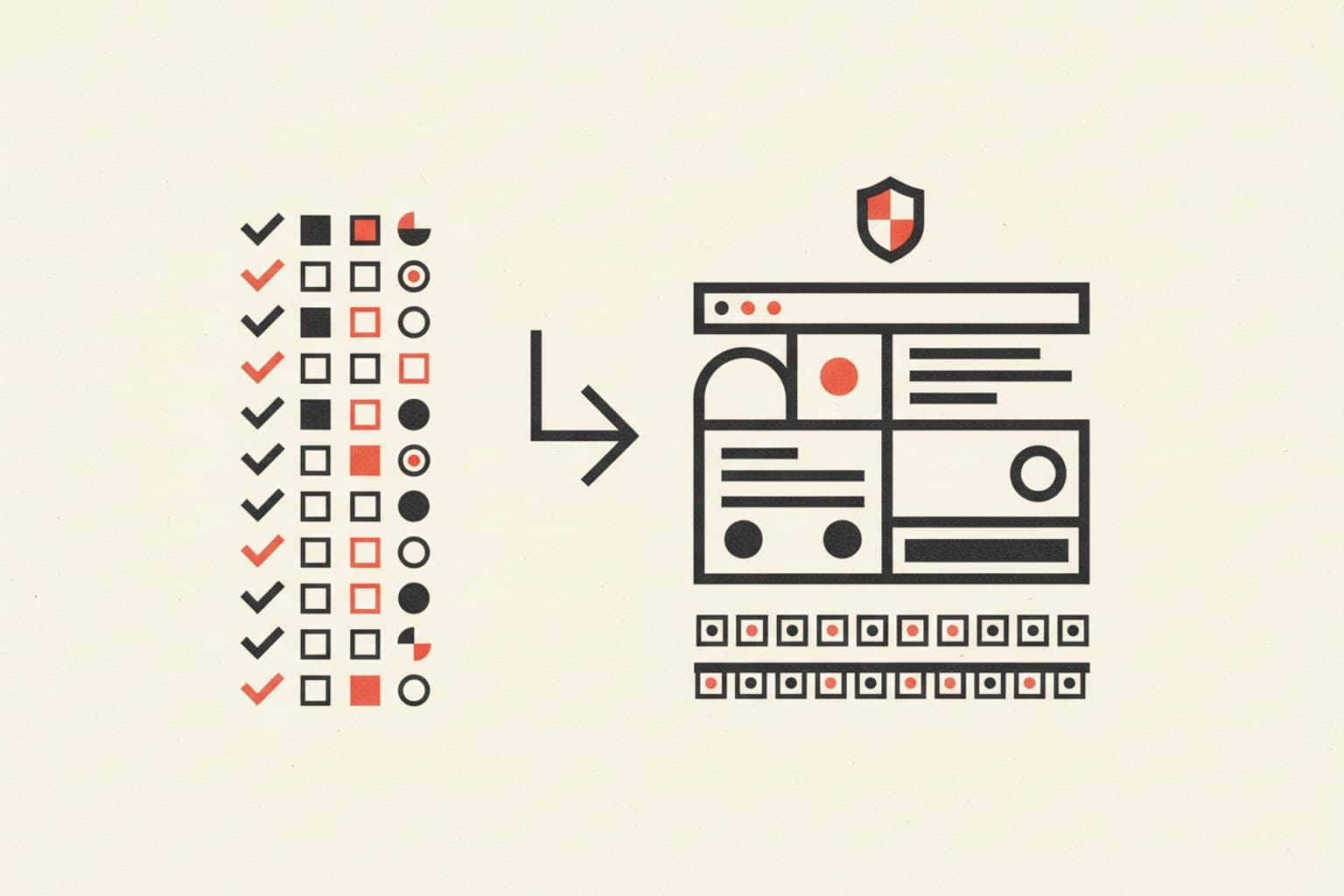
Fintech AEO Checklist: 15 Checks for Regulated Sites
By industry

Fintech AEO Checklist: 15 Checks for Regulated Sites

Fintech sites average just 44% on AI readiness — the weakest score across all audited categories. These 15 checks close the gap between regulatory compliance and answer-engine visibility.

6 min read
AI Startup AEO Checklist: Optimize for AI Search
By industry

AI Startup AEO Checklist: Optimize for AI Search

AI startups average just 48/100 on AI readiness — far below their technical SEO scores. This checklist shows exactly where the gaps are and how to close them before competitors do.

6 min read
ChatGPT Citation Share by Industry: Who Wins, Who Lags?
Data studies

ChatGPT Citation Share by Industry: Who Wins, Who Lags?

ChatGPT doesn't cite industries equally. Some sectors dominate AI-generated answers while others are nearly invisible. Here's what drives citation share and how any industry can close the gap.

5 min read
E-Commerce AEO: Make Product Pages Cite-Worthy in AI Search
By industry

E-Commerce AEO: Make Product Pages Cite-Worthy in AI Search

AI search engines now answer shopping queries directly — and they cite specific product pages. Here's how to structure your e-commerce content so AI engines choose yours over a competitor's.

6 min read
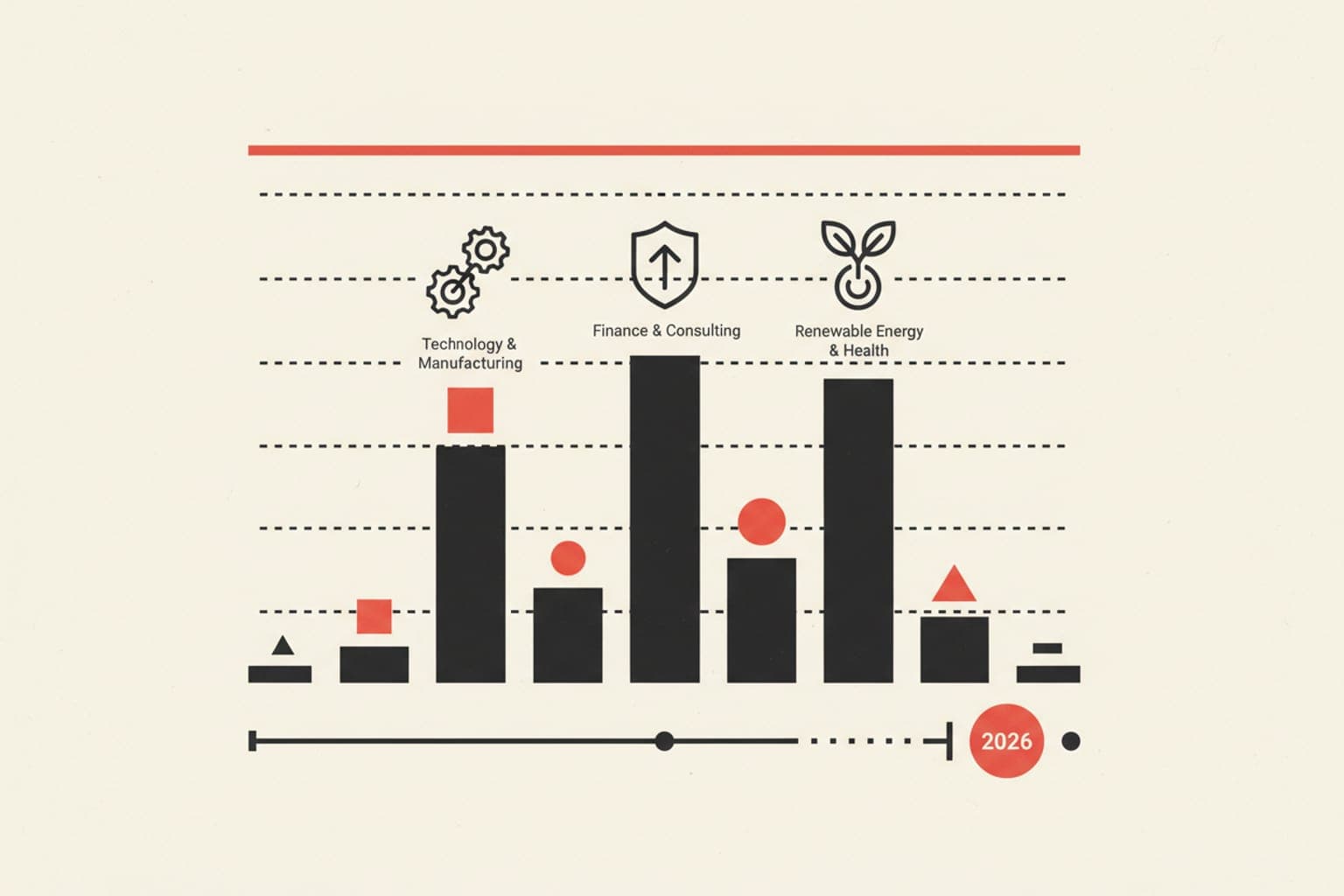
Which Industries Score Highest on AEO in 2026?
Data studies

Which Industries Score Highest on AEO in 2026?

Our aggregate audit data across 29 sites shows SaaS developer tools averaging 53/100 on AEO, outpacing AI startups at 48 and general SaaS at 45. Here's what separates the leaders.

5 min read

How to Detect AI Bot Crawlers in Your Server Logs
How to

How to Detect AI Bot Crawlers in Your Server Logs

AI crawlers from OpenAI, Anthropic, and others visit your site constantly. This guide shows you exactly how to find them in raw server logs and what to do with that data.

6 min read
Which Website Categories Block AI Bots Most in 2026?
Data studies

Which Website Categories Block AI Bots Most in 2026?

Not all websites treat AI crawlers equally. Across our 2026 audit corpus, certain industries block AI bots at dramatically higher rates than others — with real consequences for brand visibility in AI-generated answers.

7 min read
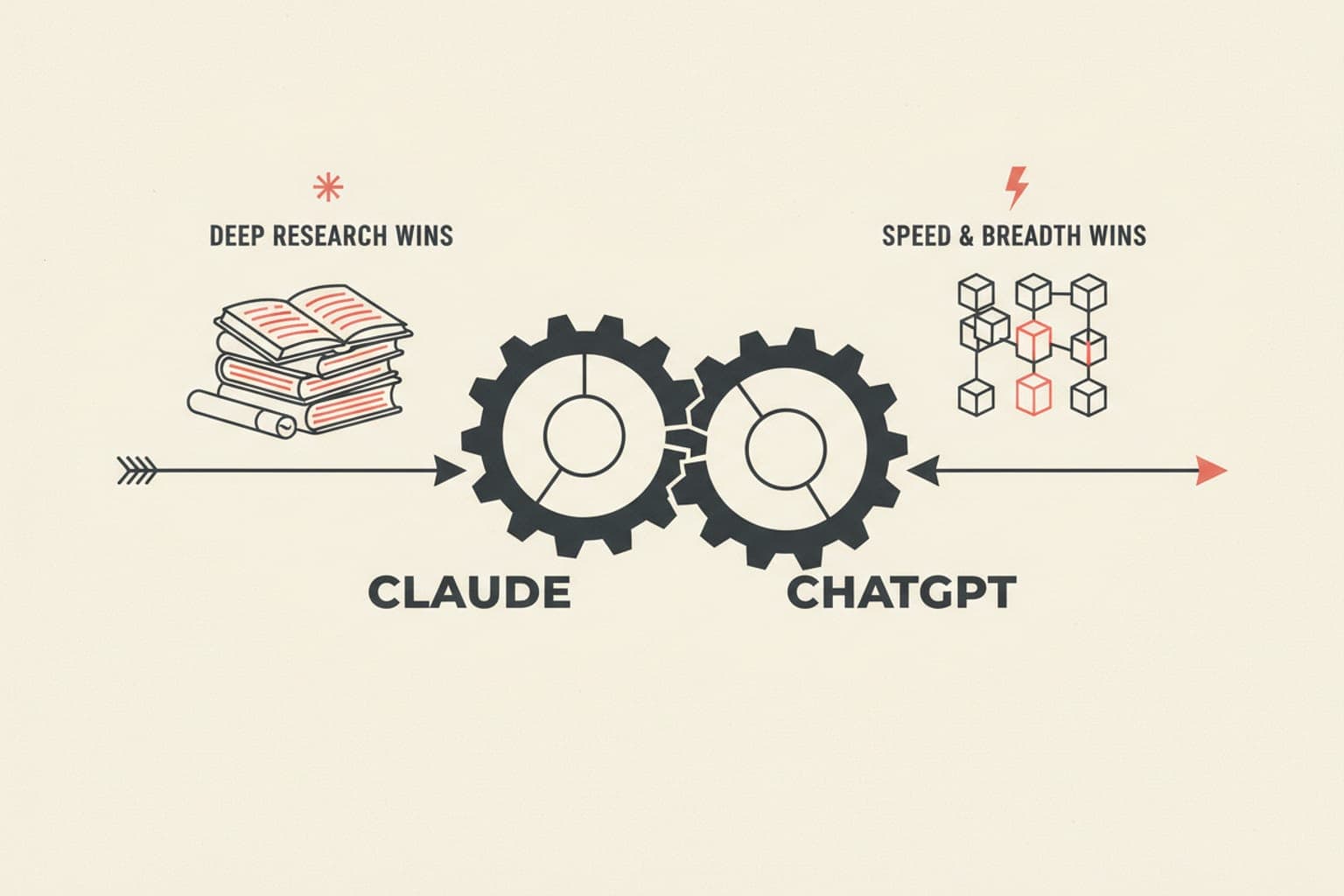
Claude vs ChatGPT for Citations: When Each Engine Wins
Comparisons

Claude vs ChatGPT for Citations: When Each Engine Wins

Claude and ChatGPT cite sources in fundamentally different ways. Knowing which engine favors your content type—and why—lets you write pages that get pulled into AI-generated answers.

5 min read
DefinedTerm Schema: Why Glossaries Need It for AEO
Fundamentals

DefinedTerm Schema: Why Glossaries Need It for AEO

DefinedTerm schema is structured markup that labels a term and its definition for AI search engines. Without it, your glossary is plain text — with it, it becomes a citable answer source.

5 min read
llms.txt Adoption: Who's Signaling AI Consent in 2025?
Data studies

llms.txt Adoption: Who's Signaling AI Consent in 2025?

Just 18 of 43 audited sites — 41.9% — have an llms.txt file signaling AI crawler consent. Here's what that gap means for your visibility in AI-powered search.

4 min read
llms.txt vs robots.txt: When to Use Each (or Both)
Comparisons

llms.txt vs robots.txt: When to Use Each (or Both)

robots.txt controls crawler access for search engines. llms.txt guides AI language models on how to use your content. This article breaks down exactly when each file matters — and why serious sites need both.

6 min read
Top 10 AEO Failures Found in 171+ Real Public Audits
Data studies

Top 10 AEO Failures Found in 171+ Real Public Audits

After reviewing 171+ public website audits, the same AEO failures keep appearing. From missing direct-answer paragraphs to broken structured data, these ten issues are costing sites their AI search citations.

6 min read
SaaS SEO Audit Checklist: 25 Checks That Move the Needle
By industry

SaaS SEO Audit Checklist: 25 Checks That Move the Needle

Most SaaS sites score around 68 overall in SEO audits — but AI readiness averages just 45. This 25-point checklist targets the gaps that actually move organic rankings and pipeline.

7 min read
How to Audit Your Site for AI Search Readiness Fast
How to

How to Audit Your Site for AI Search Readiness Fast

AI search engines cite pages differently than traditional Google crawls. This guide shows you the five signals to check in under 30 seconds to know if your site is ready.

5 min read
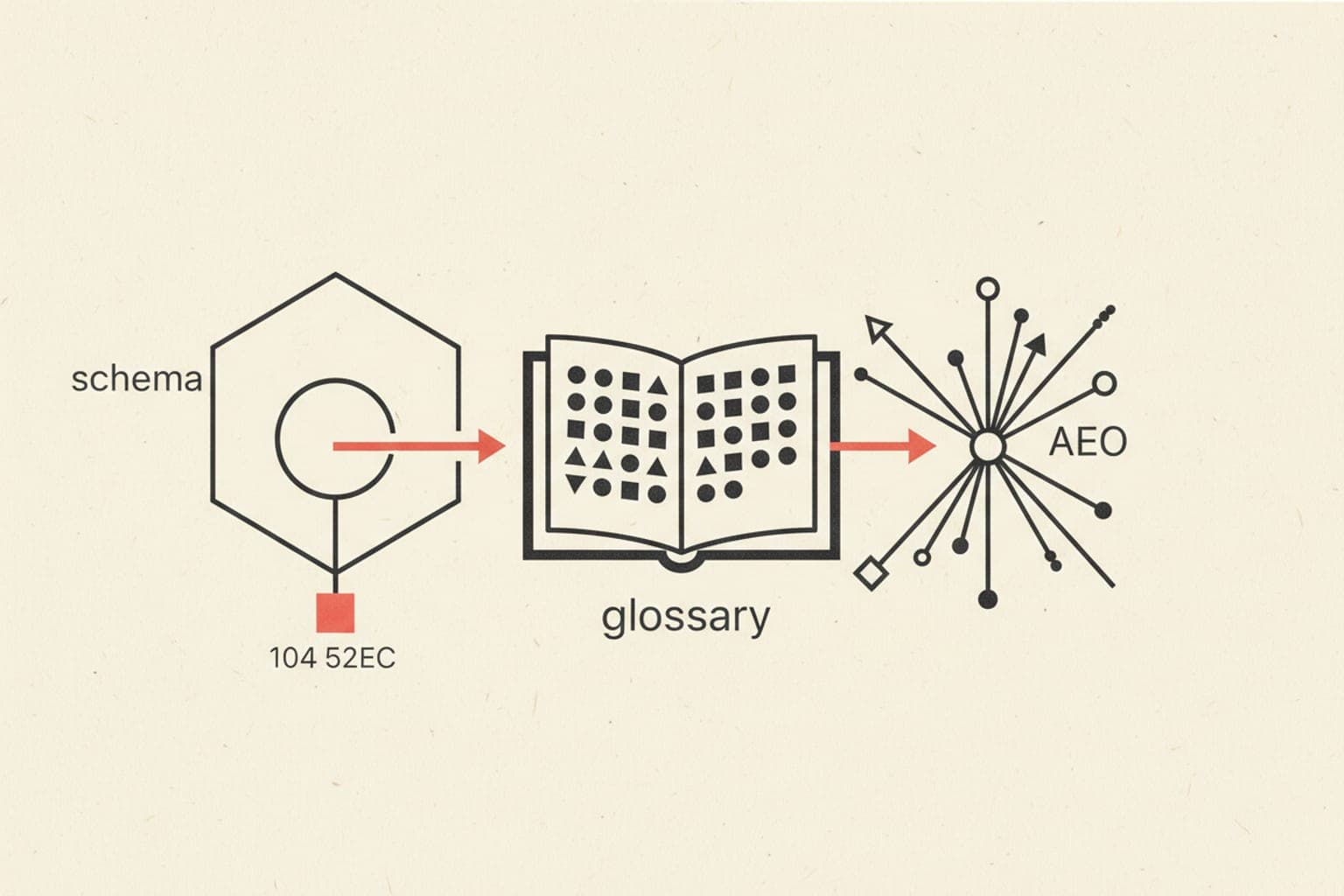
Schema Markup Adoption: How Many Sites Use Valid JSON-LD?
Data studies

Schema Markup Adoption: How Many Sites Use Valid JSON-LD?

Valid JSON-LD schema markup remains rare across the web. This guide explains what adoption looks like, why most sites fail structured-data checks, and what you can do to stand out in AI-powered search results.

5 min read
How to Add FAQPage Schema Without DOM Mismatch
How to

How to Add FAQPage Schema Without DOM Mismatch

DOM mismatch kills FAQPage rich results. This guide shows you how to write valid JSON-LD, sync it with visible page content, and test it before deploying.

5 min read
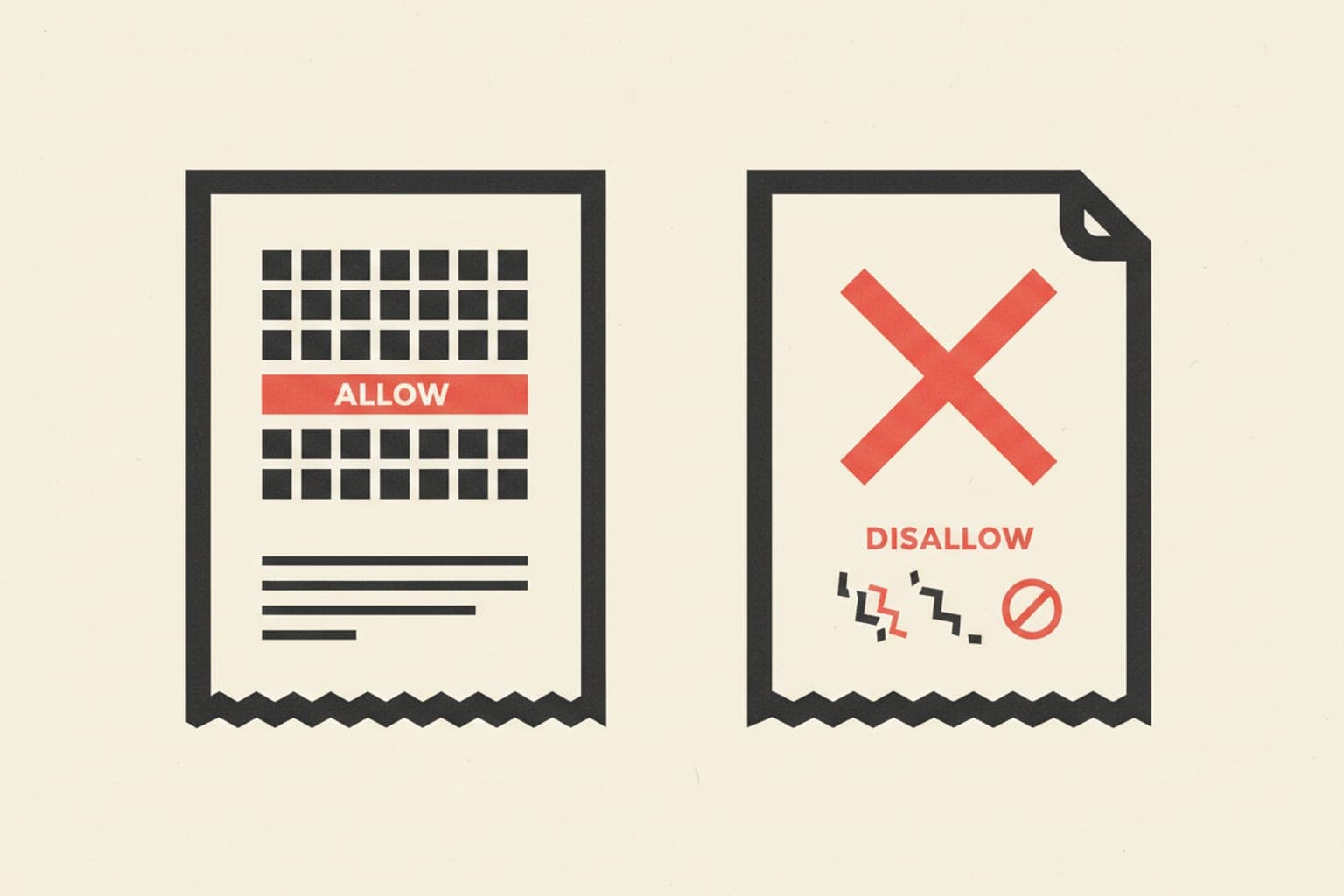
Google AI Overviews vs ChatGPT Search: Key Differences
Comparisons

Google AI Overviews vs ChatGPT Search: Key Differences

Google AI Overviews and ChatGPT Search both answer queries without a click, but their retrieval logic, citation models, and ranking signals diverge sharply. Here is what every SEO practitioner needs to know.

6 min read

What Is GPTBot? OpenAI's Training Crawler Explained
Fundamentals

What Is GPTBot? OpenAI's Training Crawler Explained

GPTBot crawls the web to collect training data for OpenAI's models. OAI-SearchBot powers ChatGPT's live search. Knowing the difference lets you block one without blocking the other.

5 min read
ChatGPT Search vs Perplexity: Which Engine Cites You?
Comparisons

ChatGPT Search vs Perplexity: Which Engine Cites You?

ChatGPT Search and Perplexity both pull from the live web, but their citation behaviors differ significantly. Here's what SEO practitioners need to know to earn consistent mentions in both engines.

6 min read
The Anthropic Claude Bot Family: 5 Crawlers Explained
Fundamentals

The Anthropic Claude Bot Family: 5 Crawlers Explained

Anthropic operates five distinct web crawlers under the Claude brand. Knowing which bot does what lets you make smarter allow/block decisions in robots.txt and protect server resources.

5 min read
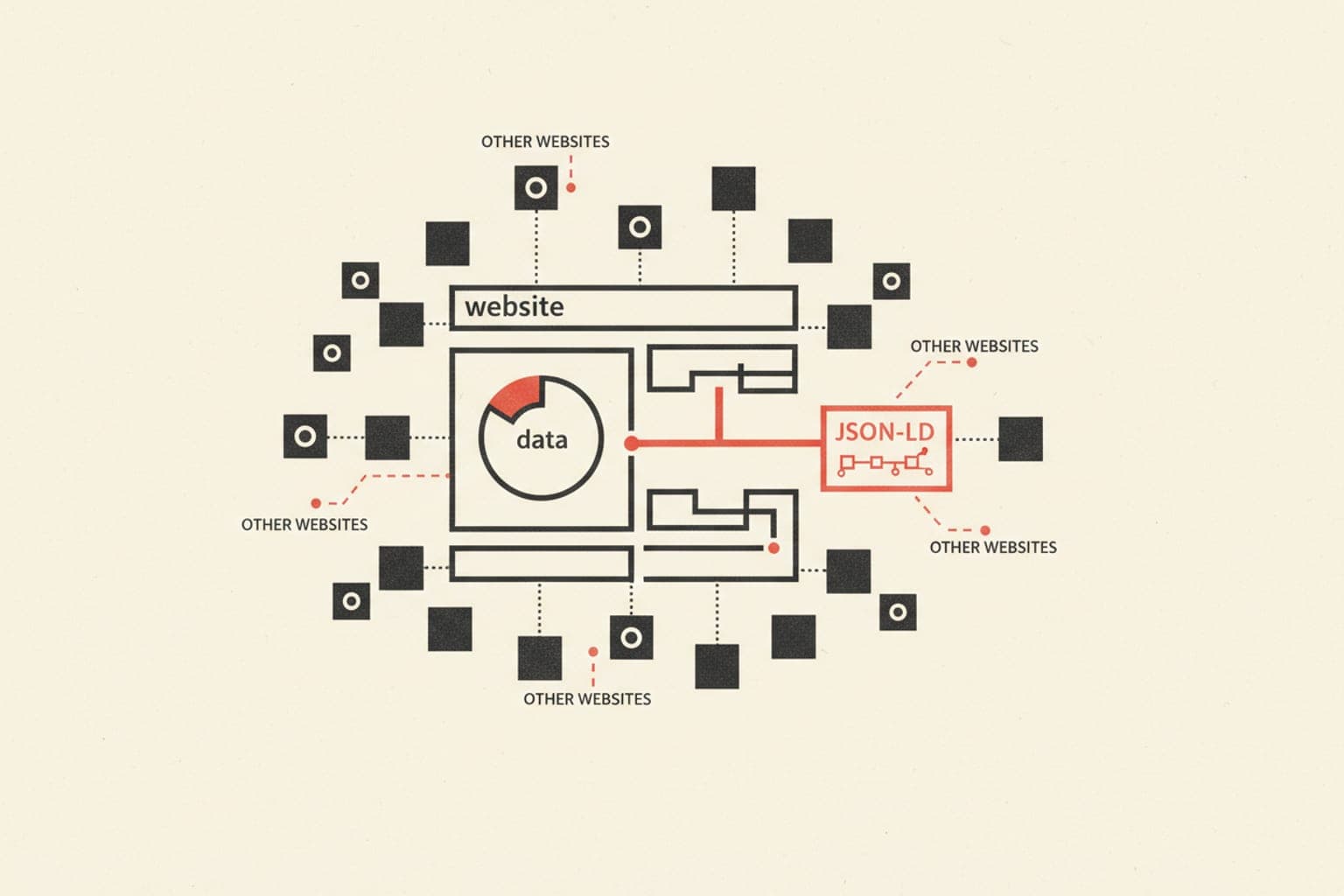
How to Get Cited by Claude: llms.txt Is Your Biggest Lever
How to

How to Get Cited by Claude: llms.txt Is Your Biggest Lever

Getting cited by Claude starts with one file: llms.txt. This guide covers why Claude prioritizes structured content signals, how llms.txt works, and the concrete steps to implement it today.

4 min read
E-E-A-T in 2026: What It Really Means for AI Citations
Fundamentals

E-E-A-T in 2026: What It Really Means for AI Citations

E-E-A-T now directly influences which sources AI engines cite in answers. In 2026, demonstrating real-world experience and verifiable expertise is no longer optional — it's the ranking signal that determines citation…

6 min read
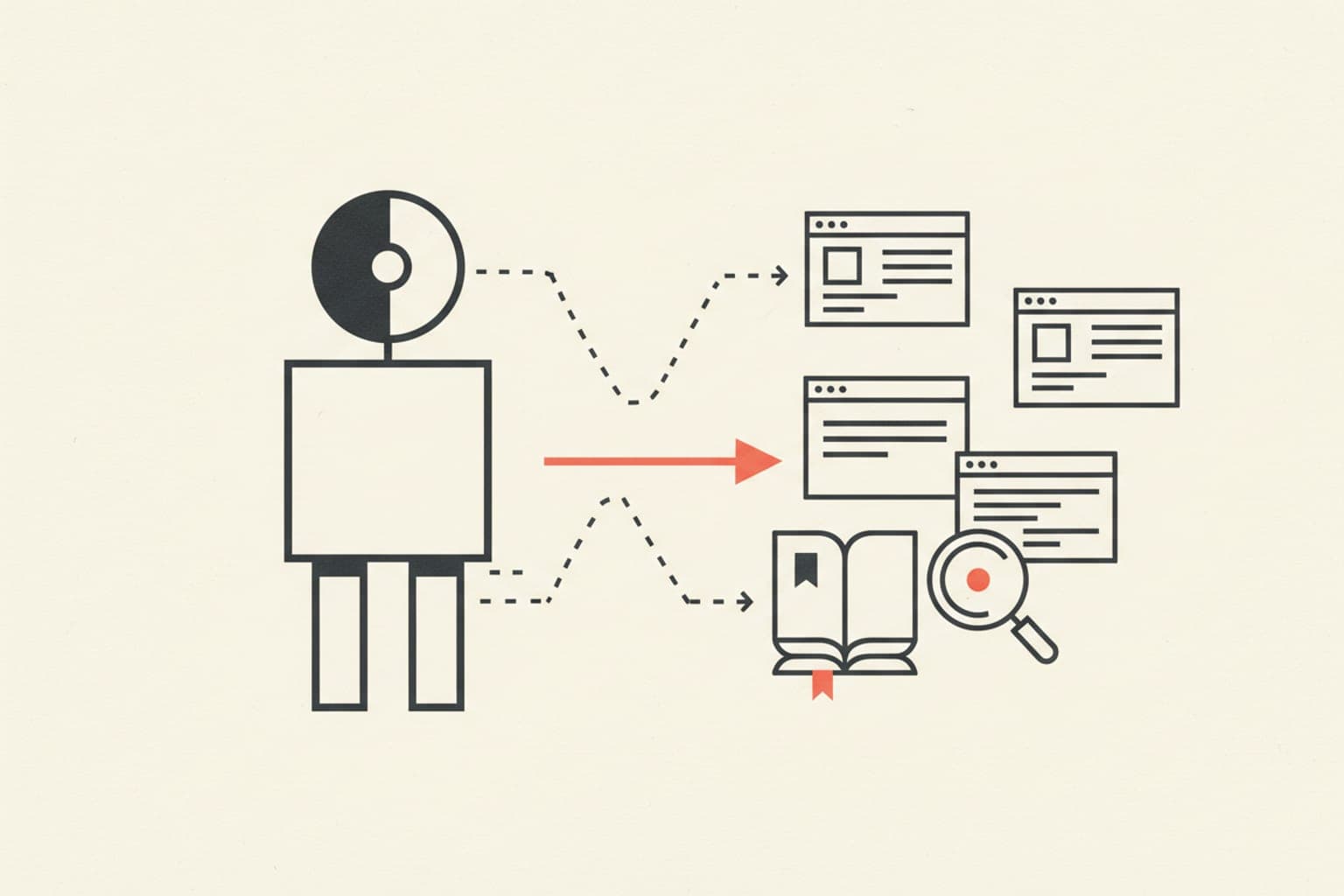
Why FAQPage Schema Gets Cited 2–3× More by AI Engines
Fundamentals

Why FAQPage Schema Gets Cited 2–3× More by AI Engines

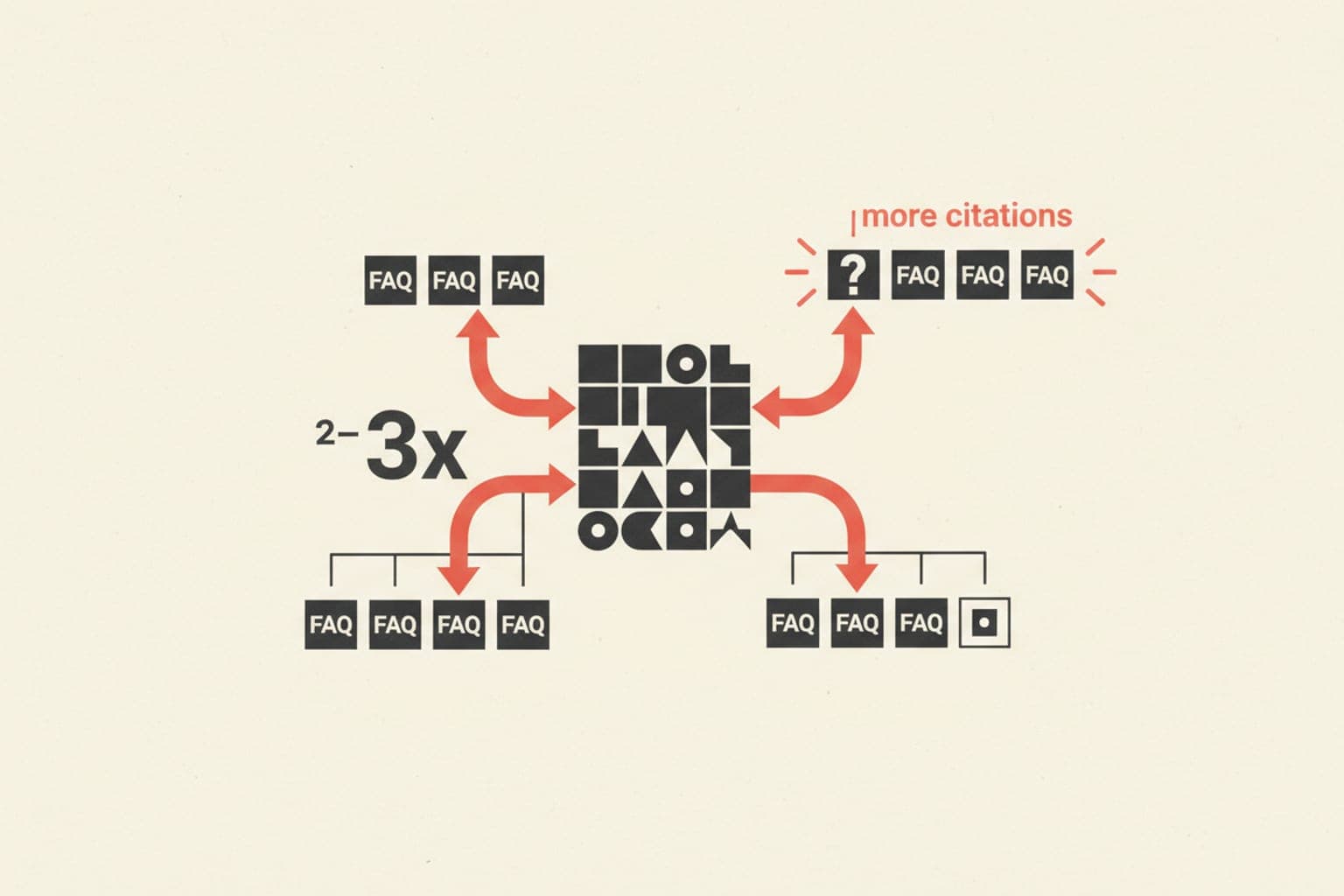
FAQPage schema wraps your Q&A content in machine-readable markup that AI engines parse directly into answers. Here's why it earns citations at a dramatically higher rate than unstructured content.

5 min read
How Many Sites Block AI Crawlers? Data From 43 Audits
Data studies

How Many Sites Block AI Crawlers? Data From 43 Audits

Our audit data shows 37.2% of sites actively block AI crawlers — meaning more than 1 in 3 websites are invisible to ChatGPT, Perplexity, and similar AI search engines. Here's what the numbers mean.

5 min read
How to Rank in Google AI Overviews: Inherited-Rank Advantage
How to

How to Rank in Google AI Overviews: Inherited-Rank Advantage

Google AI Overviews pull citations almost exclusively from pages already ranking in the top organic results. Earn the organic rank first — AIO visibility follows. Here's how to optimize for both.

6 min read
How to Rank in Perplexity AI: Get Into Cited Sources
How to

How to Rank in Perplexity AI: Get Into Cited Sources

Perplexity AI surfaces 5–10 sources per answer. Getting cited means satisfying both a crawlability check and a relevance signal. Here's the tactical playbook to earn a slot.

5 min read
Google AI Overviews: The SGE Successor Explained
Fundamentals

Google AI Overviews: The SGE Successor Explained

Google AI Overviews are AI-generated answer summaries that appear at the top of search results. They replaced Search Generative Experience (SGE) in 2024 and fundamentally change how content gets discovered.

6 min read
What Is Perplexity AI? Search vs Answer Engines Explained
Fundamentals

What Is Perplexity AI? Search vs Answer Engines Explained

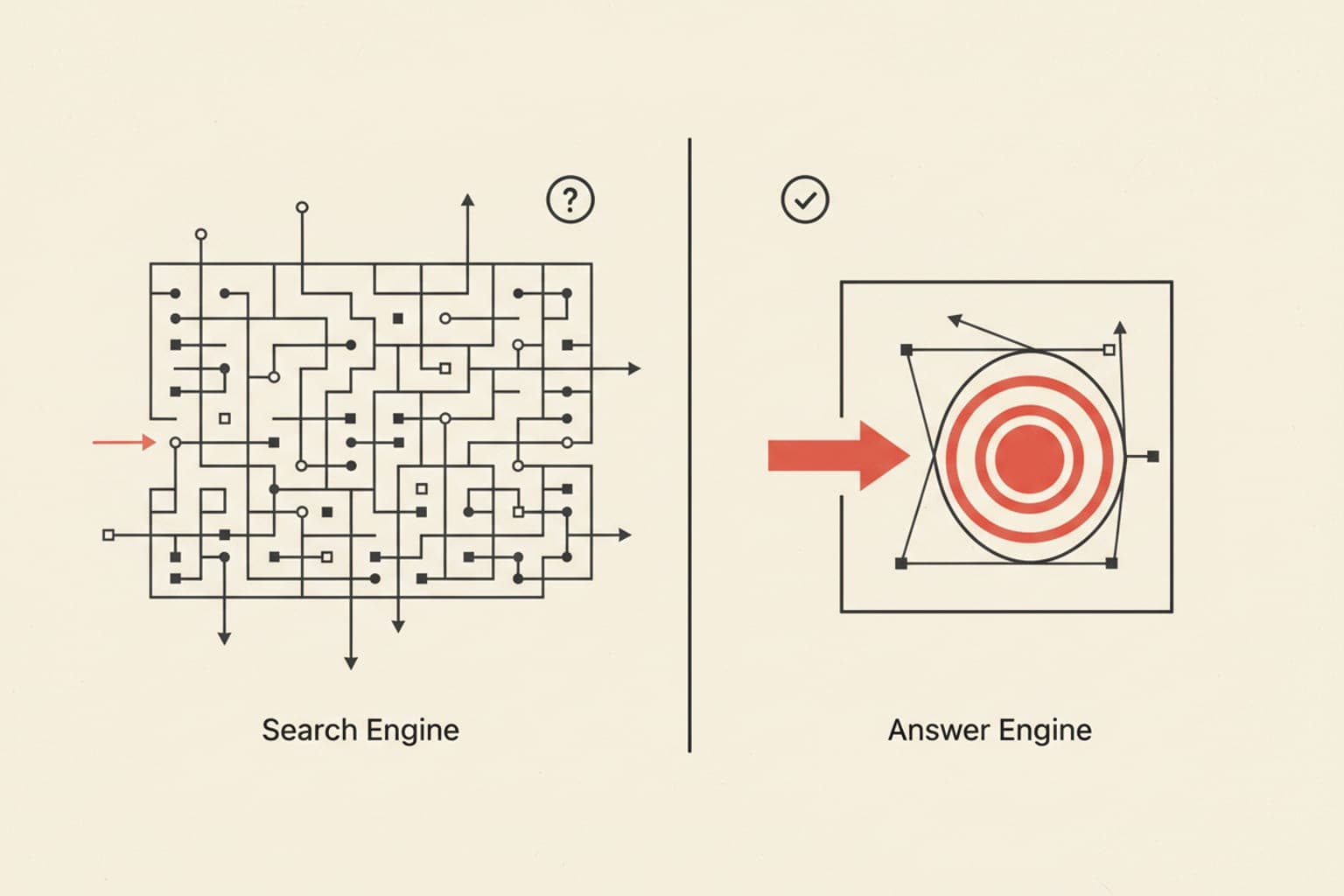
Perplexity AI is an answer engine, not a traditional search engine. Instead of returning a list of links, it synthesizes multiple sources into a single cited response — changing how content needs to be written to rank.

4 min read
How to Write llms.txt Correctly: Template & Examples
How to

How to Write llms.txt Correctly: Template & Examples

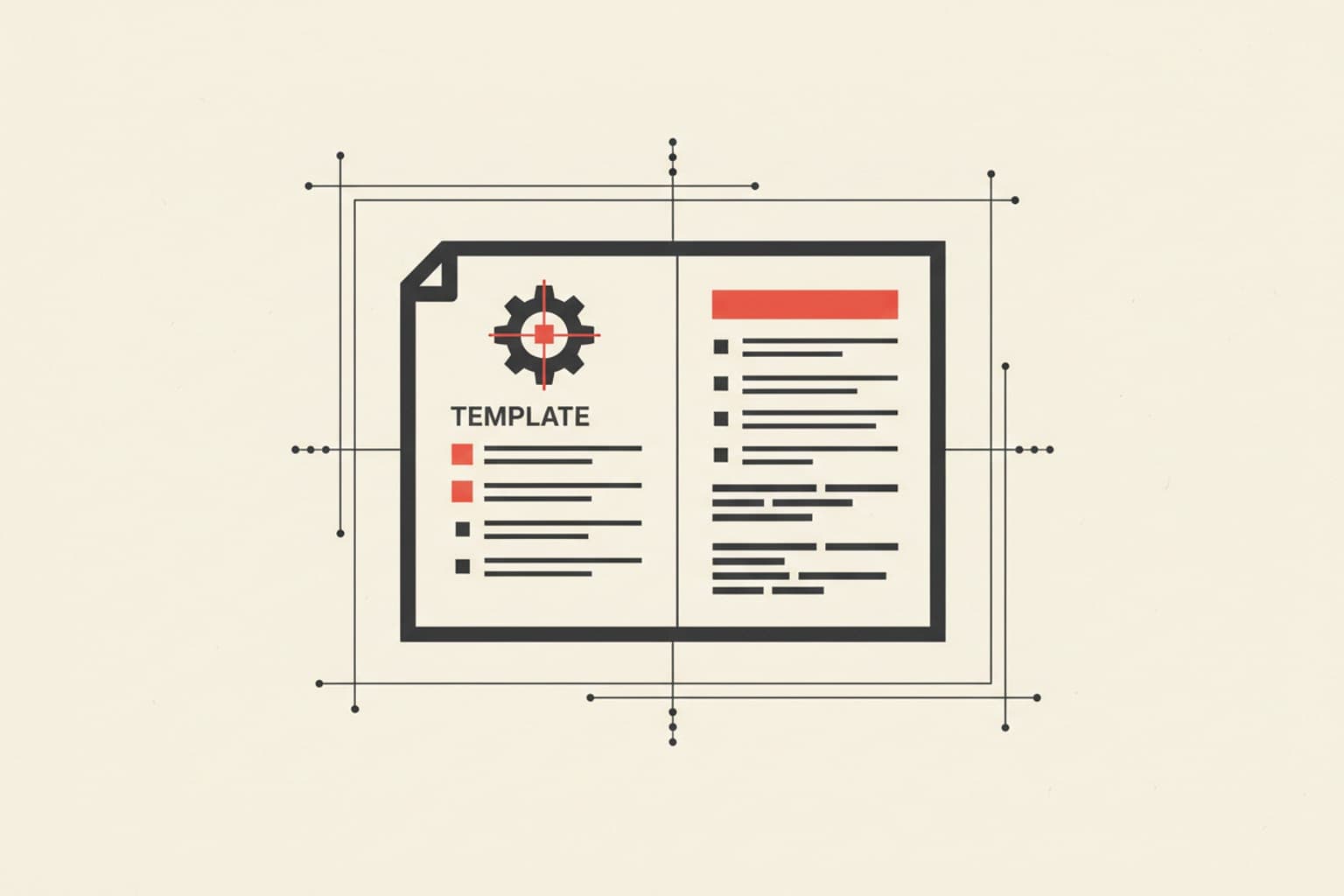
A correct llms.txt file tells AI language models which pages matter, what your site does, and how to prioritize content. This guide gives you a copy-paste template plus annotated examples.

4 min read
ChatGPT Search vs Google: How AI Search Works
Fundamentals

ChatGPT Search vs Google: How AI Search Works

ChatGPT Search generates synthesized, conversational answers with inline citations instead of ranked blue links. Here's what that shift means for SEO and content strategy.

5 min read
Block AI Crawlers Without Hurting Google Rankings
How to

Block AI Crawlers Without Hurting Google Rankings

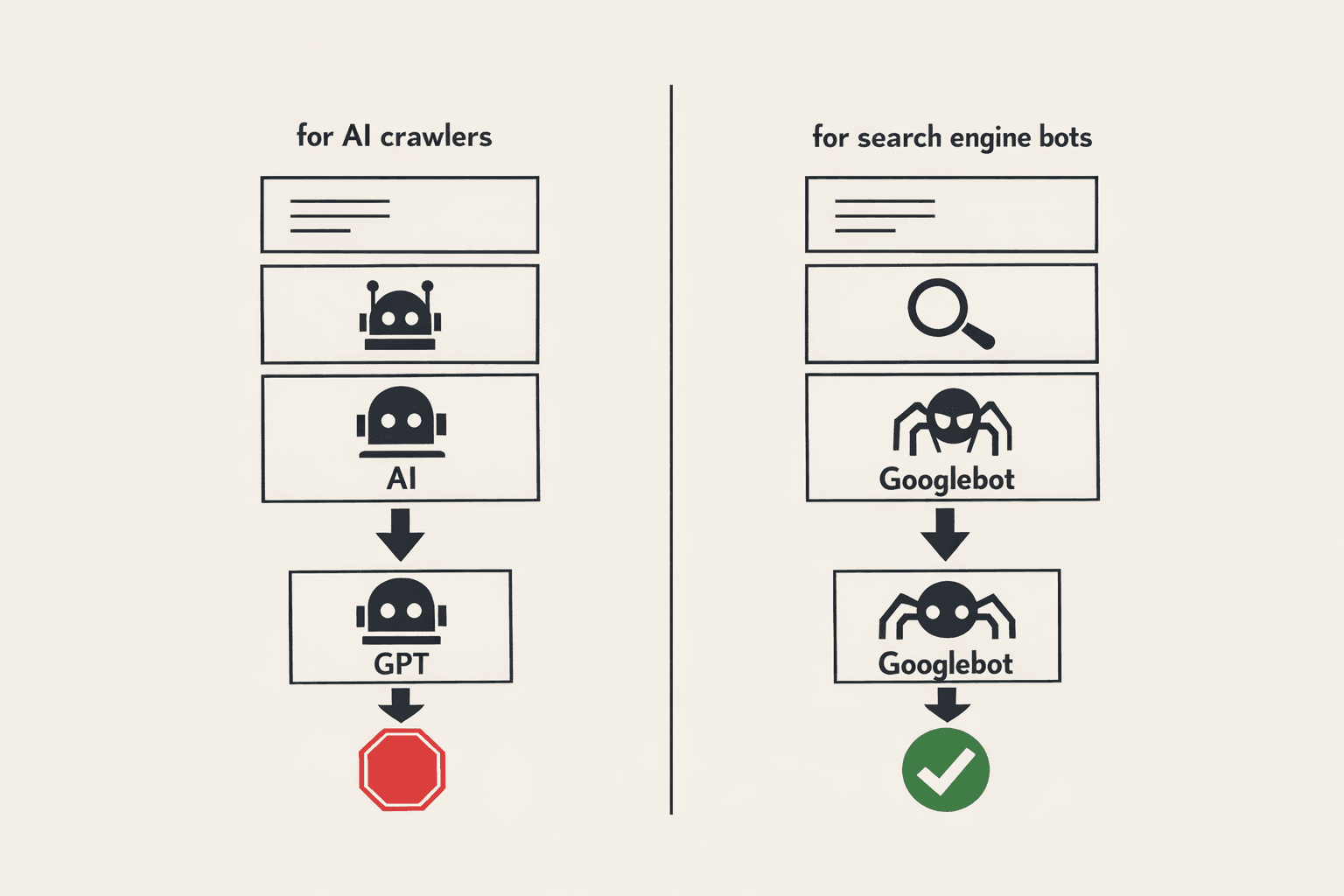
Blocking AI training crawlers is straightforward when you target specific user-agent strings in robots.txt — leaving Googlebot and Bingbot untouched. Here's the exact method to do it safely.

4 min read
Core Web Vitals 2026: LCP, INP, and CLS Thresholds Explained
Fundamentals

Core Web Vitals 2026: LCP, INP, and CLS Thresholds Explained

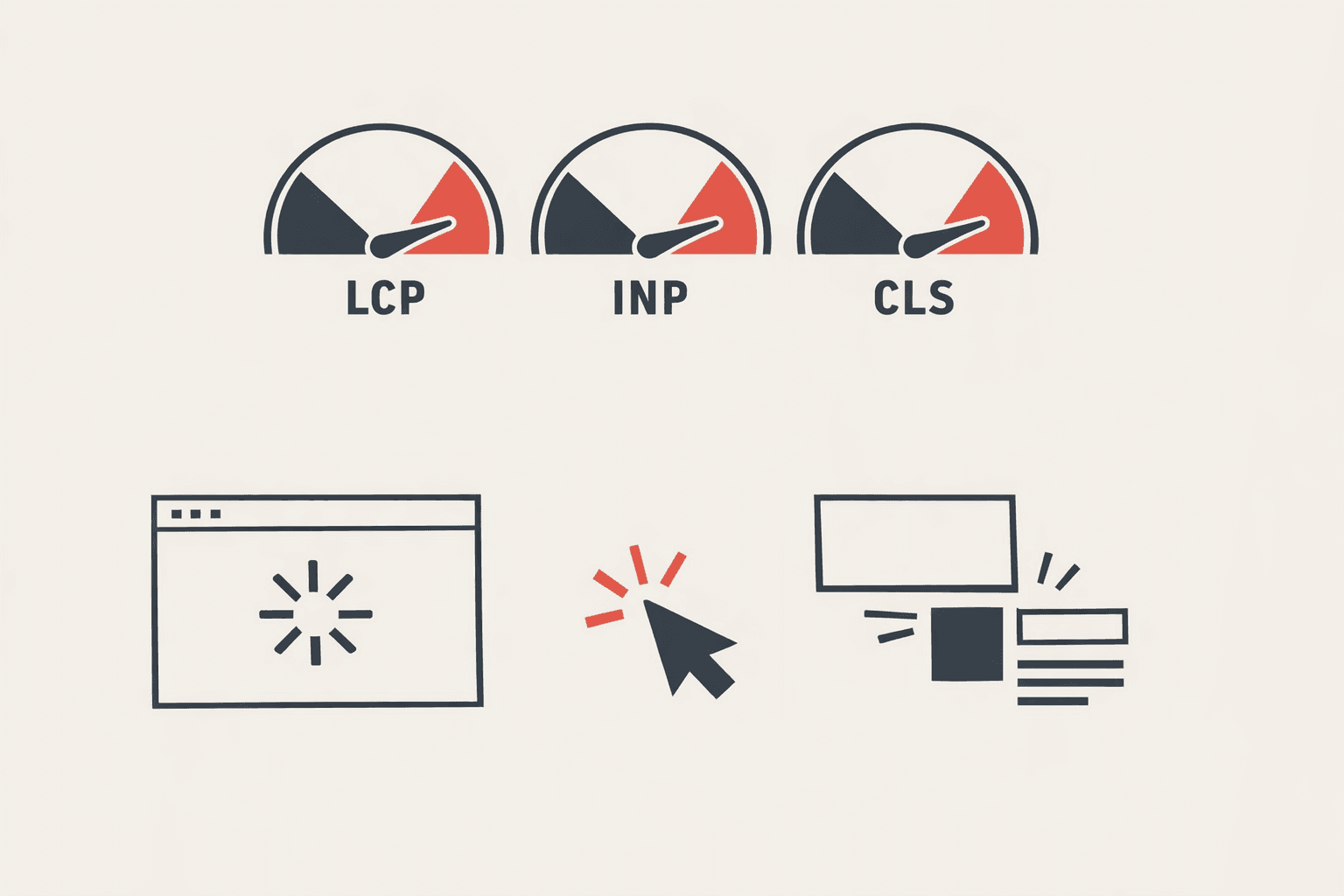
Core Web Vitals remain a confirmed Google ranking signal in 2026. This guide breaks down the exact LCP, INP, and CLS thresholds, what causes failures, and the fastest fixes to reach 'Good' scores.

7 min read
How to Add Article JSON-LD That AI Search Engines Cite
How to

How to Add Article JSON-LD That AI Search Engines Cite

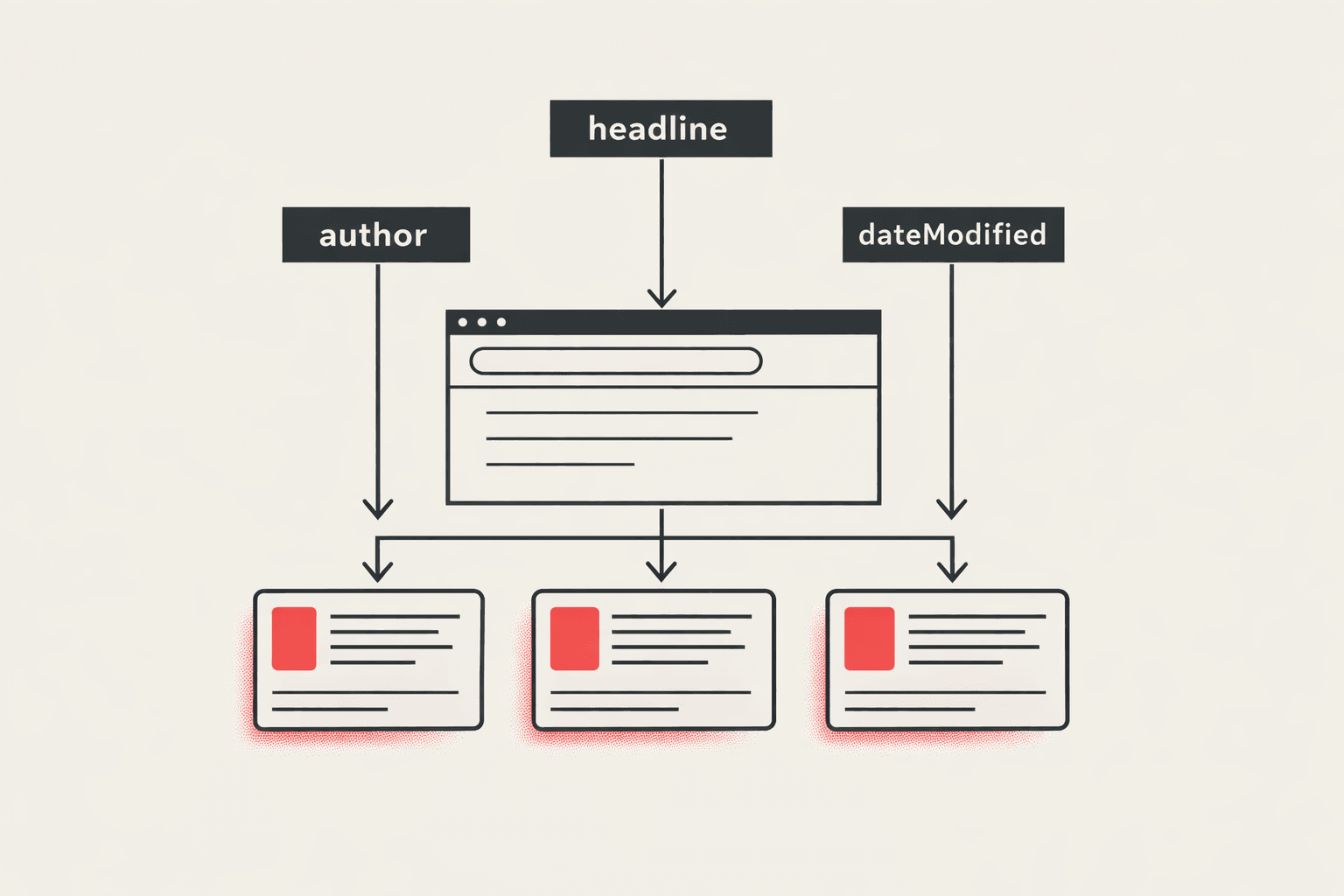
Article JSON-LD tells AI search engines exactly what your content is, who wrote it, and why it's authoritative. This guide shows you how to implement it correctly so your pages get cited, not skipped.

5 min read
Fix Cumulative Layout Shift in 2026: Step-by-Step
How to

Fix Cumulative Layout Shift in 2026: Step-by-Step

Cumulative Layout Shift (CLS) measures unexpected visual instability. A score above 0.1 damages both user experience and Core Web Vitals rankings. This playbook walks you through every fix, step by step.

7 min read
Schema Markup Explained: Article, Org & FAQPage
Fundamentals

Schema Markup Explained: Article, Org & FAQPage

Schema markup tells search engines and AI answer engines exactly what your content means. This guide covers Article, Organization, and FAQPage structured data — what each type does and how to implement it.

6 min read
robots.txt for AI Bots: Complete 2026 Guide
How to

robots.txt for AI Bots: Complete 2026 Guide

AI crawlers now rival search bots in volume. This guide shows you the exact robots.txt directives to block or allow GPTBot, ClaudeBot, and PerplexityBot — protecting content while staying visible in AI search.

6 min read
What Is llms.txt and Why Your Site Needs One
Fundamentals

What Is llms.txt and Why Your Site Needs One

llms.txt is a plain-text file placed at your site root that gives AI language models structured context about your content — think robots.txt, but for LLMs. Here's why it matters now.

5 min read
AEO vs SEO: What Changes When AI Search Arrives
Fundamentals

AEO vs SEO: What Changes When AI Search Arrives

AI search engines don't rank pages — they synthesize answers. AEO adapts your content to be cited by those engines, shifting the game from click-through rates to citation authority.

5 min read
What Is AEO (Answer Engine Optimization)?
Fundamentals

What Is AEO (Answer Engine Optimization)?

AEO means structuring content so AI-powered answer engines — like ChatGPT, Perplexity, and Google SGE — can extract, trust, and cite it directly. Here's what every SEO practitioner needs to know.

6 min read
Coming soon

Weekly Learn digest

A curated email each Sunday with the most useful articles, data studies, and tutorials we published that week.