How to Optimize Images for AI Search Engines
AI search engines parse images differently than traditional crawlers. Nail alt text, structured data, and modern formats now to stay visible as AI-driven results replace classic blue links.
Articles, guides, and original research backed by our audit data.
AI search engines parse images differently than traditional crawlers. Nail alt text, structured data, and modern formats now to stay visible as AI-driven results replace classic blue links.
Meta titles that rank in both Google and ChatGPT share one trait: they answer a specific question before the click. Here's how to write them with precision.
AEO keyword research targets question-based, conversational queries that AI engines pull answers from. This guide shows how to find, evaluate, and structure those queries so your content gets cited.
Reverse-engineering a competitor's AEO strategy reveals which content structures, entities, and answer formats AI engines prefer to cite. This playbook gives you a repeatable process to close that gap fast.
Microsoft Copilot pulls answers directly from Bing's index. To rank in Copilot, you must win in Bing first — then structure content so the AI can cite it confidently.
AI citation share measures how often your content is referenced by AI engines like ChatGPT and Perplexity. Here are three actionable methods to track it before your competitors do.
AEO (Answer Engine Optimization) builds on classic SEO but prioritizes direct answers, structured data, and citation-readiness for AI search engines. This 30-day plan shows you how to migrate systematically.
AI search engines like ChatGPT and Perplexity cite sources instead of ranking them. This guide covers 5 tools and manual methods to monitor your AI citation share before competitors do.
Boost your AEO score in 30 days by fixing structured data, rewriting content for direct answers, and building authority signals. This tactical roadmap shows exactly where to start and what to prioritize.
AI referrers like chatgpt.com and perplexity.ai are sending measurable traffic — but GA4 buries them. Here's how to surface, segment, and report on that traffic accurately.
ChatGPT Search pulls answers from pages that satisfy 8 measurable signals — authority, structure, directness, and more. Here's the practitioner playbook for getting cited.
AI crawlers from OpenAI, Anthropic, and others visit your site constantly. This guide shows you exactly how to find them in raw server logs and what to do with that data.
AI search engines cite pages differently than traditional Google crawls. This guide shows you the five signals to check in under 30 seconds to know if your site is ready.
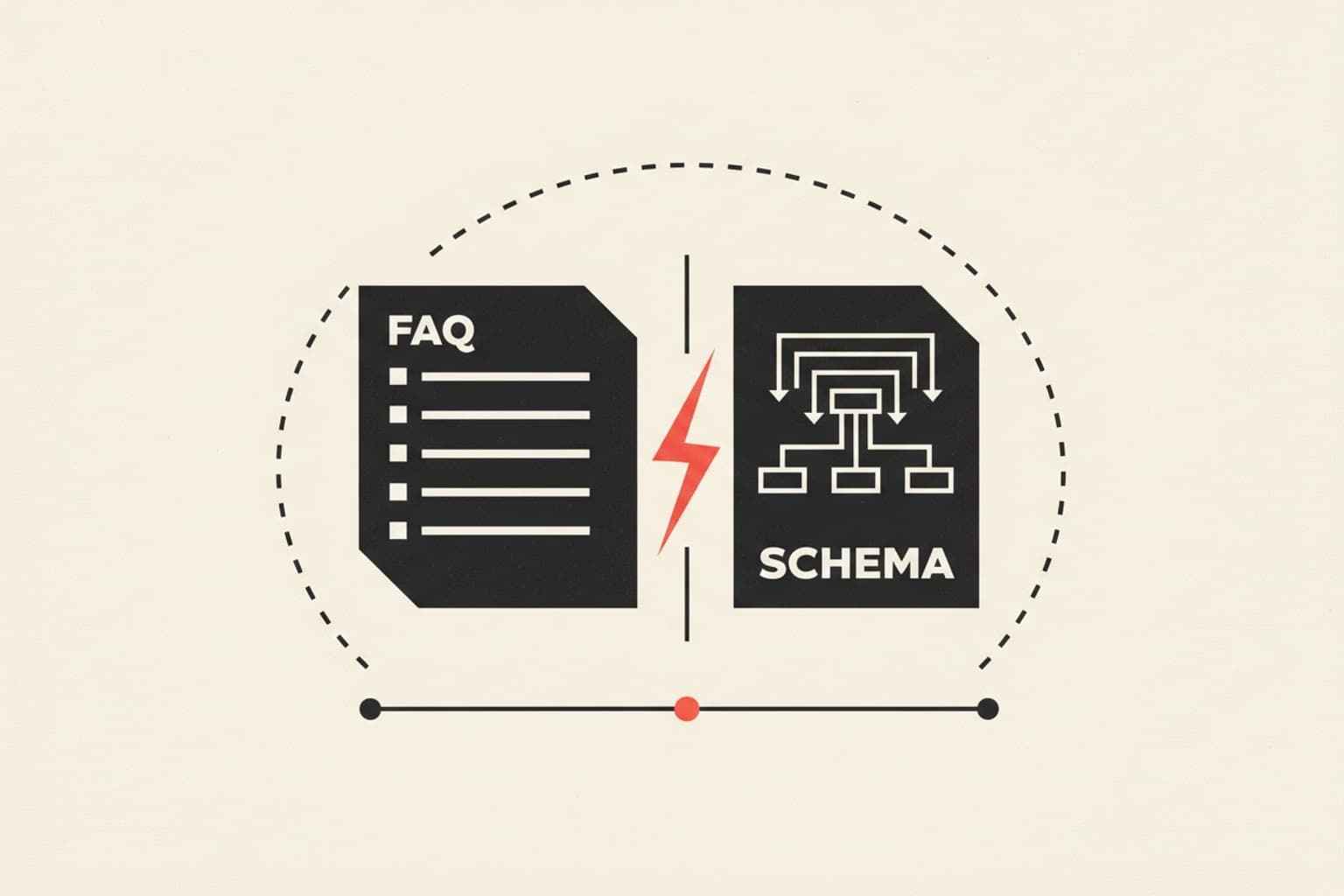
DOM mismatch kills FAQPage rich results. This guide shows you how to write valid JSON-LD, sync it with visible page content, and test it before deploying.
Getting cited by Claude starts with one file: llms.txt. This guide covers why Claude prioritizes structured content signals, how llms.txt works, and the concrete steps to implement it today.
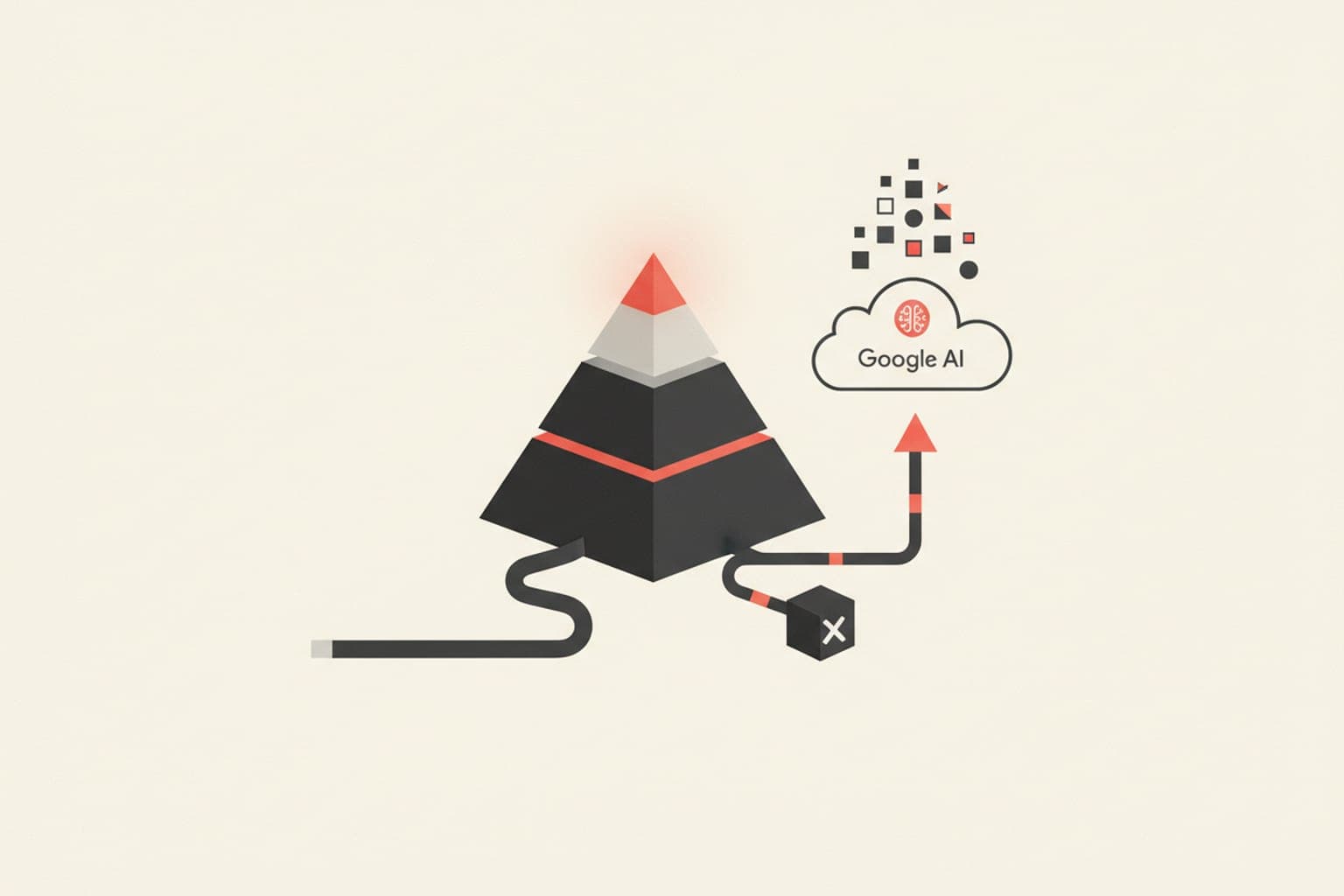
Google AI Overviews pull citations almost exclusively from pages already ranking in the top organic results. Earn the organic rank first — AIO visibility follows. Here's how to optimize for both.
Perplexity AI surfaces 5–10 sources per answer. Getting cited means satisfying both a crawlability check and a relevance signal. Here's the tactical playbook to earn a slot.
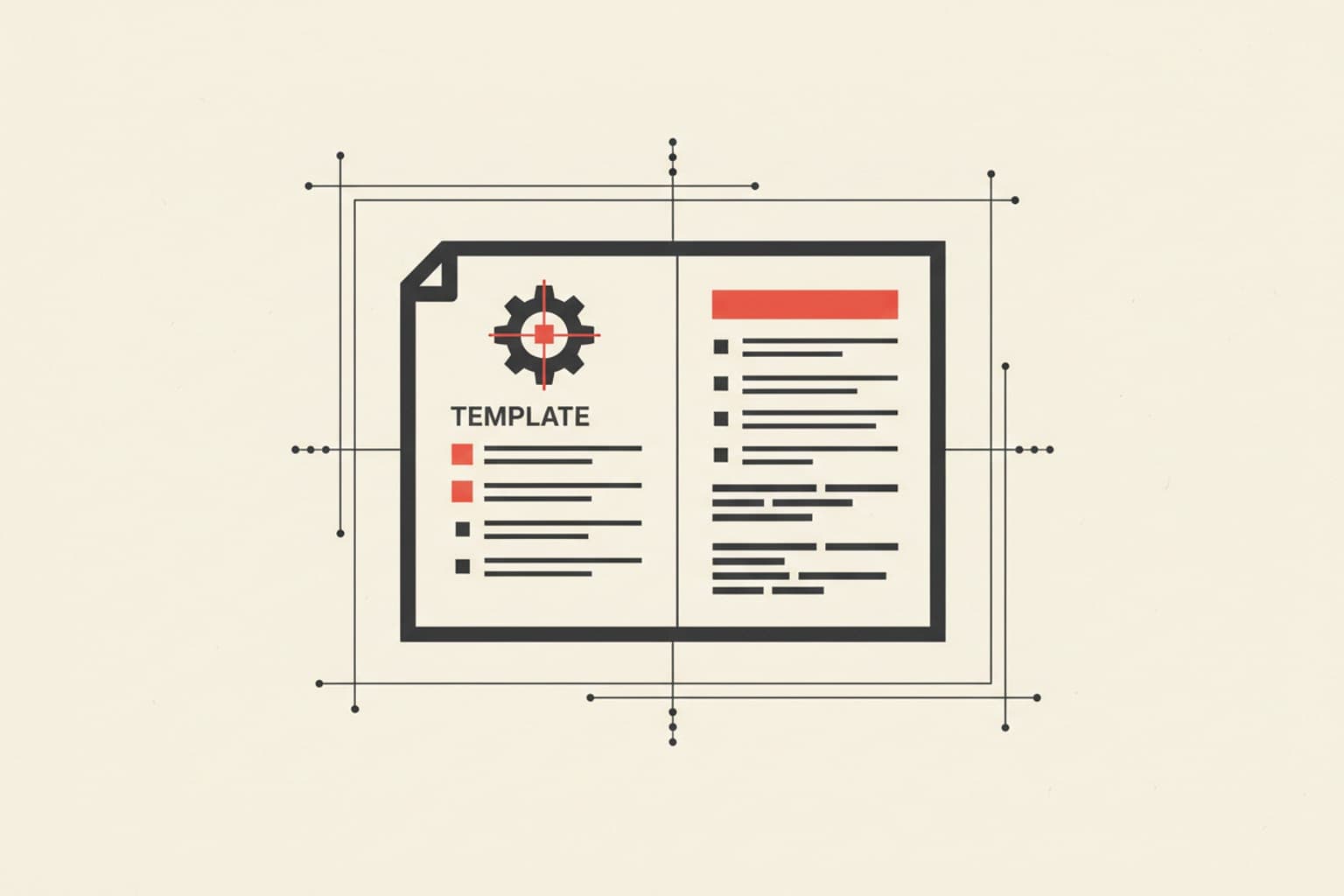
A correct llms.txt file tells AI language models which pages matter, what your site does, and how to prioritize content. This guide gives you a copy-paste template plus annotated examples.
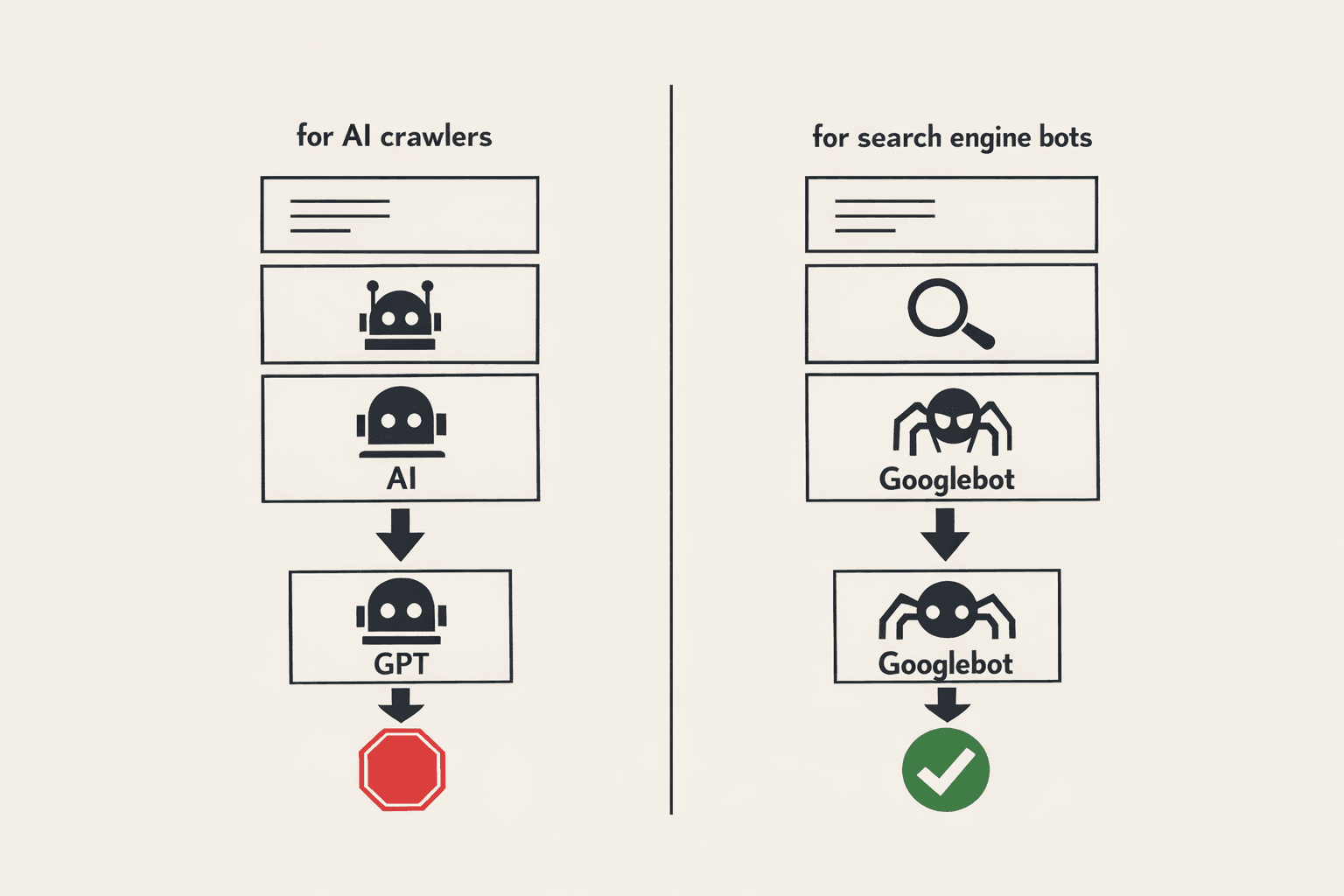
Blocking AI training crawlers is straightforward when you target specific user-agent strings in robots.txt — leaving Googlebot and Bingbot untouched. Here's the exact method to do it safely.
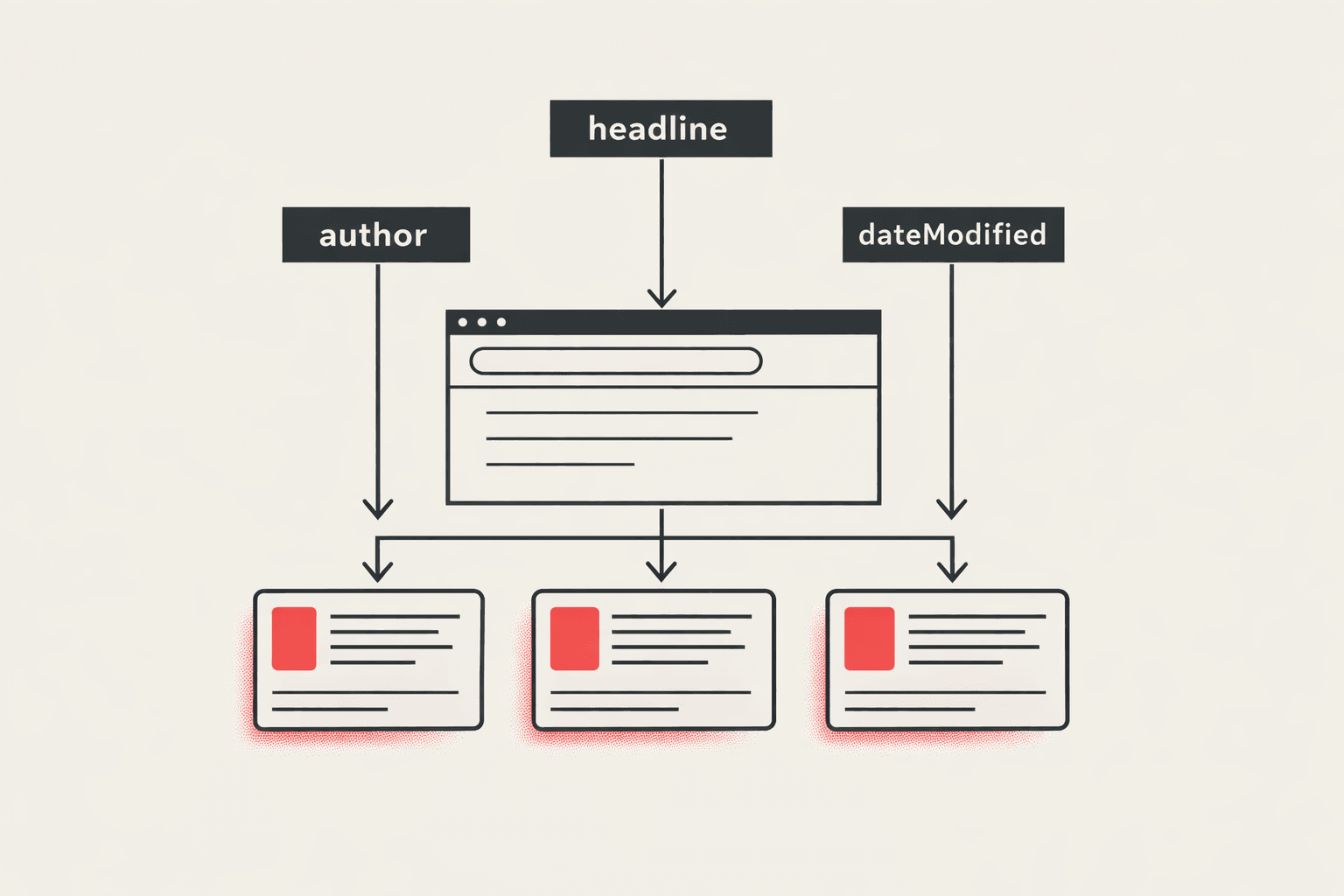
Article JSON-LD tells AI search engines exactly what your content is, who wrote it, and why it's authoritative. This guide shows you how to implement it correctly so your pages get cited, not skipped.
Cumulative Layout Shift (CLS) measures unexpected visual instability. A score above 0.1 damages both user experience and Core Web Vitals rankings. This playbook walks you through every fix, step by step.
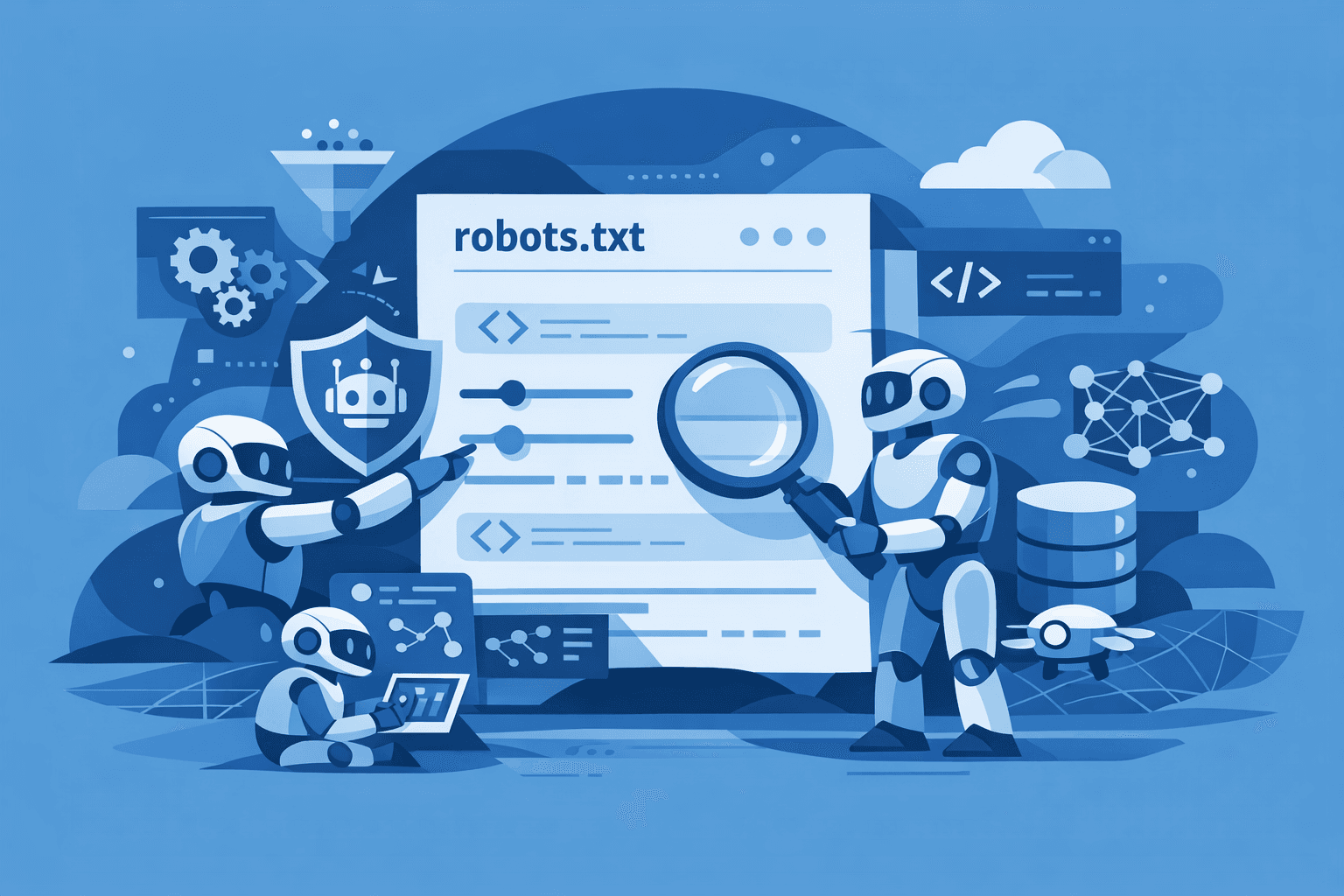
AI crawlers now rival search bots in volume. This guide shows you the exact robots.txt directives to block or allow GPTBot, ClaudeBot, and PerplexityBot — protecting content while staying visible in AI search.